Explainer
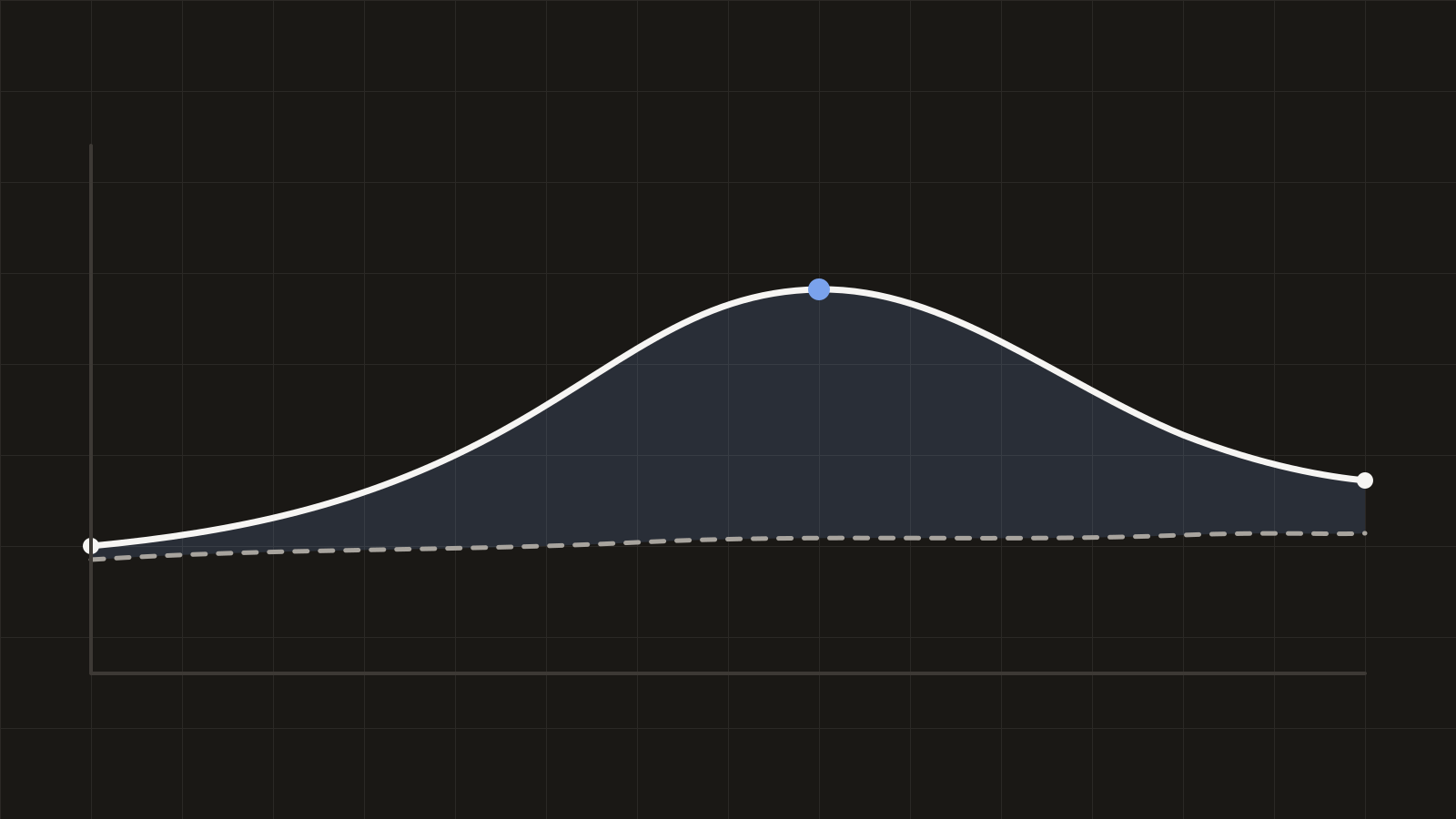
Excess Mortality: What It Measures and Why It Matters
How excess mortality is defined and estimated, what it revealed during the COVID-19 pandemic and major heatwaves, and how to read the figures without being misled.
Focus area 04
Evidence and research methods work explains how knowledge for public decisions is produced and graded — including randomised controlled trials, quasi-experimental designs, systematic reviews, and the frameworks used to judge how strong a body of evidence is.
Public arguments increasingly cite “the evidence” without saying what kind of evidence it is or how much weight it can bear. The difference between a randomised trial, an observational correlation, and an expert opinion is not pedantry — it determines what a study can and cannot show.
This programme provides plain-language primers on core research designs and the vocabulary of evidence appraisal, so that readers can evaluate claims rather than defer to them.
Explainer
How excess mortality is defined and estimated, what it revealed during the COVID-19 pandemic and major heatwaves, and how to read the figures without being misled.
Primer
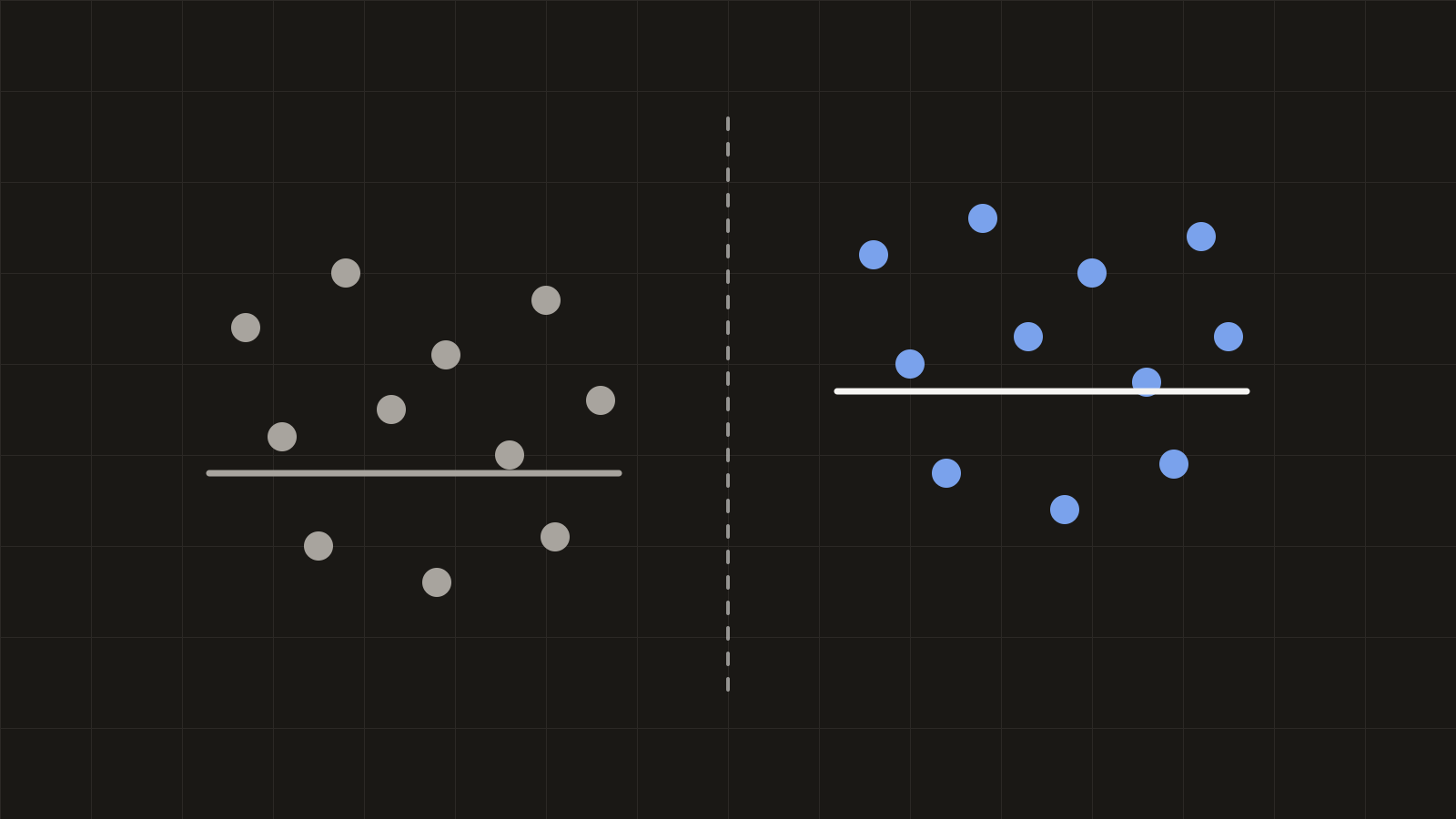
Why randomisation is the cleanest route to causal claims, the landmark policy trials that proved the method’s worth, and the questions RCTs cannot answer.
Review
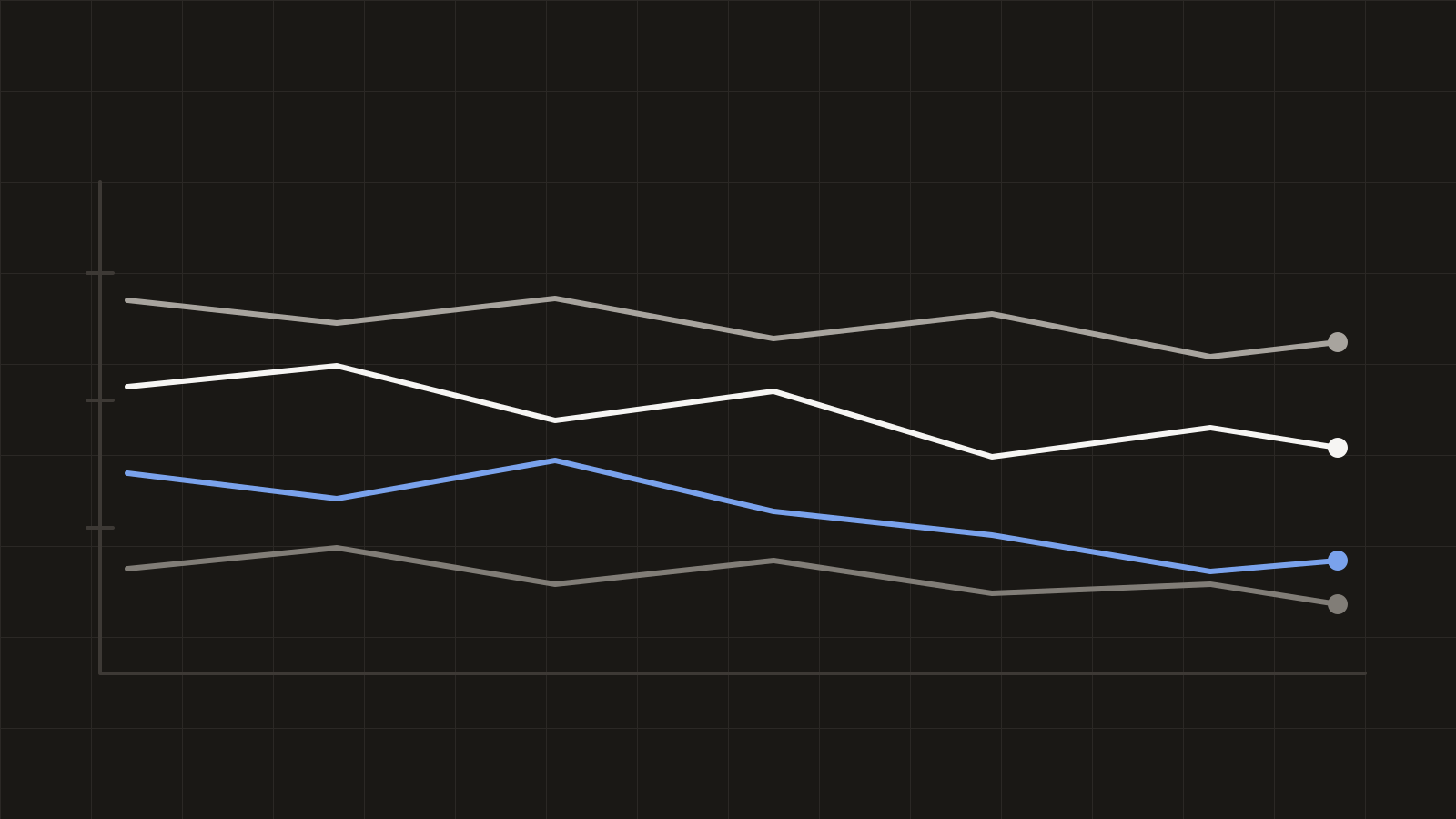
A review of the major surveys that measure trust in government, media and science, the findings that hold up across sources, and the methodological traps that produce misleading headlines.

Explainer
Where the idea came from, what counts as evidence, the institutions built around it, and the honest limits of letting evidence guide public decisions.
Insight
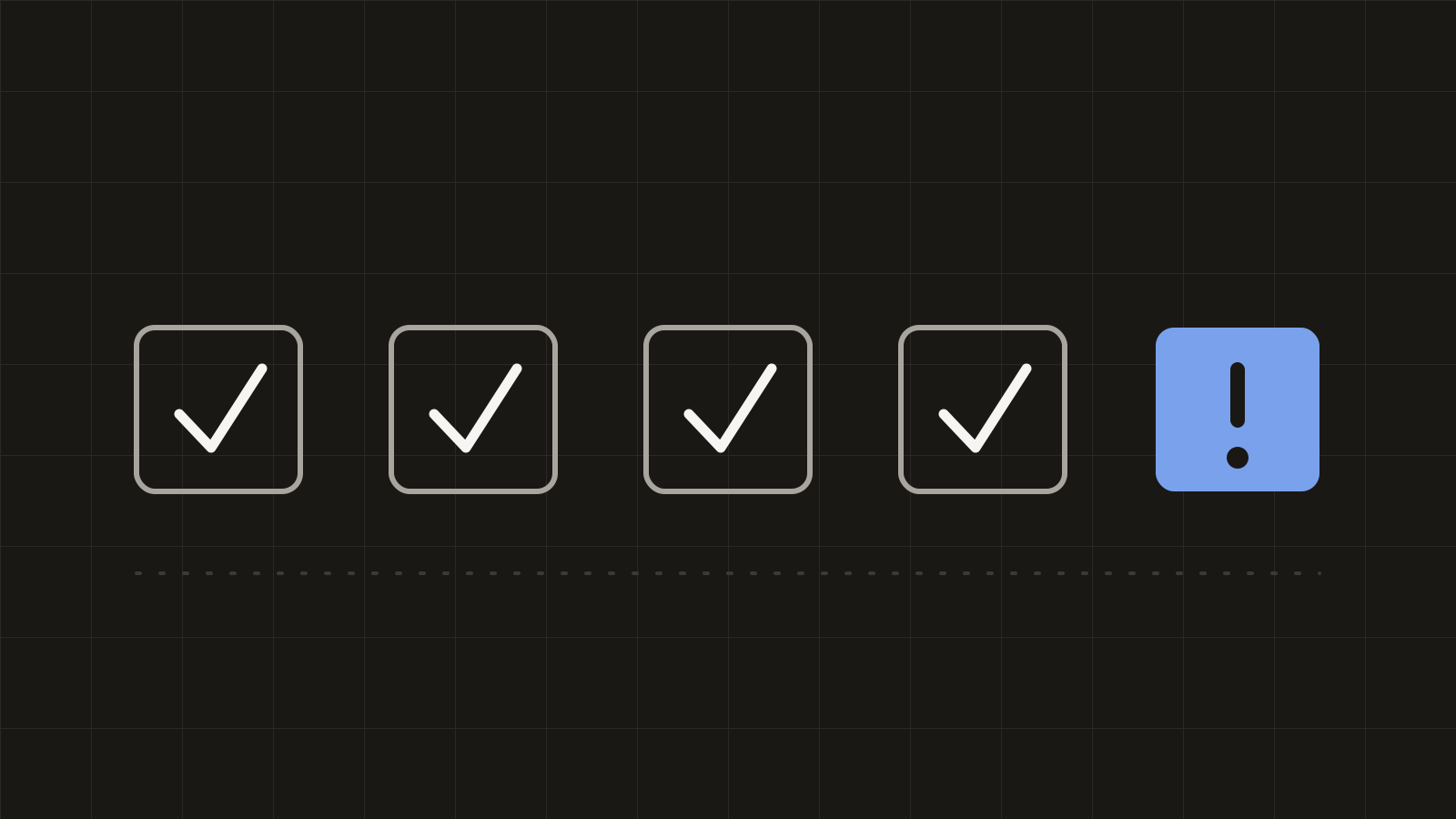
A short checklist — source, definition, denominator, uncertainty, comparison — that catches most misleading numbers before they spread.
Insight
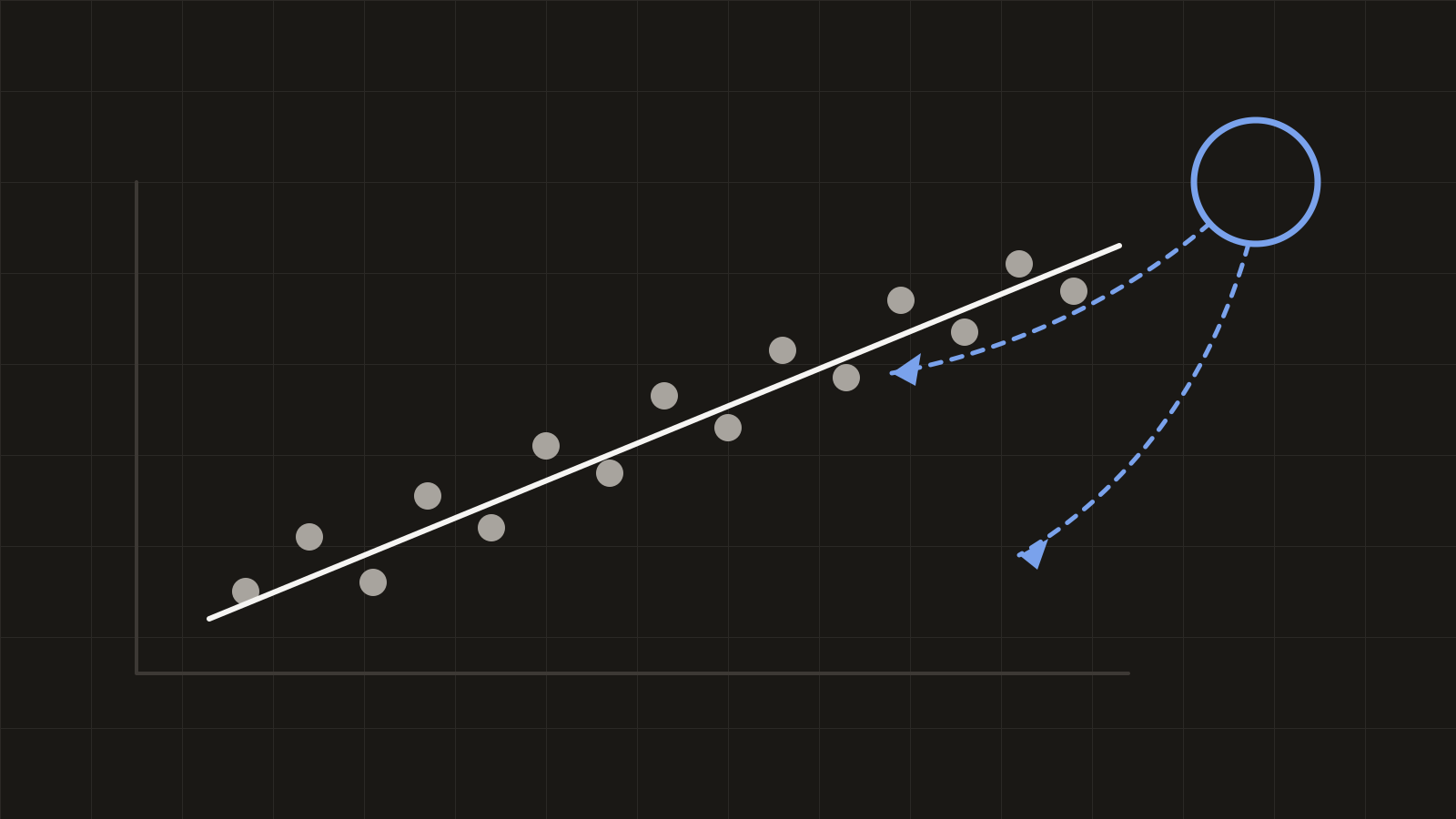
Why associations mislead, the three classic mechanisms behind spurious findings, and what it actually takes to support a causal claim.